
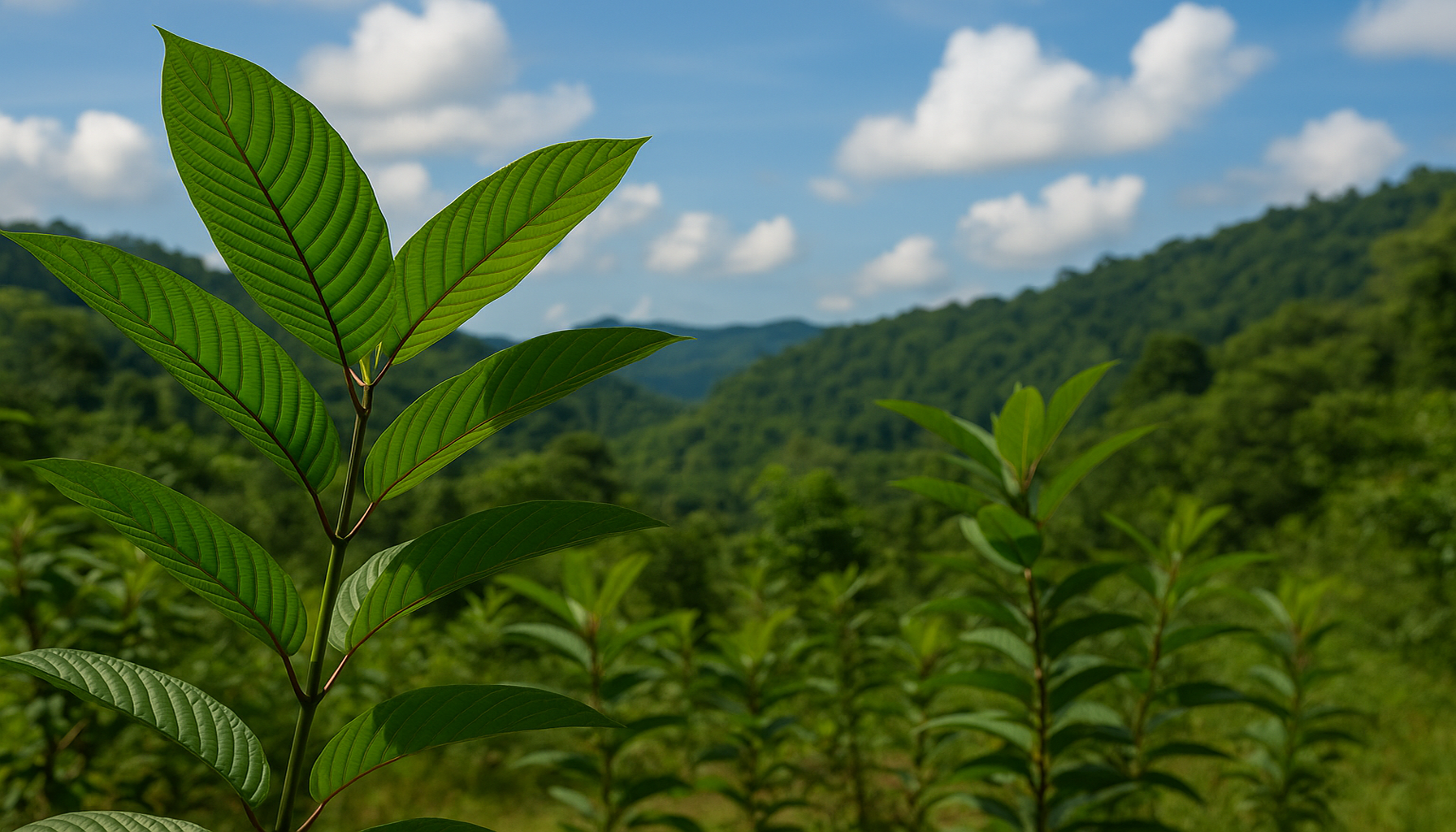
The Advantages of Indonesia’s Tropical Climate for Growing High-Quality Kratom
Indonesia is globally recognized as one of the top producers of premium kratom. A major factor behind this success is the country’s tropical climate, which provides the perfect natural environment for kratom cultivation. With consistent warmth, high humidity, and nutrient-rich soil, Indonesia offers ideal conditions for growing kratom that meets international quality standards.
1. Warm Temperatures All Year Long
Kratom thrives in temperatures between 24°C–32°C—a perfect match for Indonesia’s tropical climate. Regions like Kalimantan, Aceh, and Sumatra experience warm weather year-round, allowing kratom trees to grow steadily and produce lush, alkaloid-rich leaves.
2. Abundant and Consistent Rainfall
Indonesia’s high and evenly distributed rainfall supports healthy kratom cultivation without artificial irrigation. The consistent water supply helps maintain soil moisture, which is crucial for strong root systems and vibrant leaf production.
3. Ideal Air Humidity Levels
With humidity levels ranging between 70–90%, Indonesia provides a natural environment that kratom plants love. High humidity helps maintain leaf flexibility and moisture, which plays a critical role in preserving quality during the drying process.
4. Nutrient-Rich Tropical Soil
Tropical regions in Indonesia are known for their fertile, organic-rich soils. These soils contain essential nutrients like nitrogen, phosphorus, and potassium that kratom trees need to thrive. Areas such as Kapuas Hulu and Central Aceh are particularly famous for producing robust, naturally grown kratom.
5. Consistent Sunlight Year-Round
Thanks to its location near the equator, Indonesia enjoys abundant sunlight throughout the year. This natural light boosts photosynthesis and strengthens the plant’s natural defenses, while also enhancing the production of mitragynine and 7-hydroxymitragynine—the key alkaloids that define kratom’s potency.

Add comment