
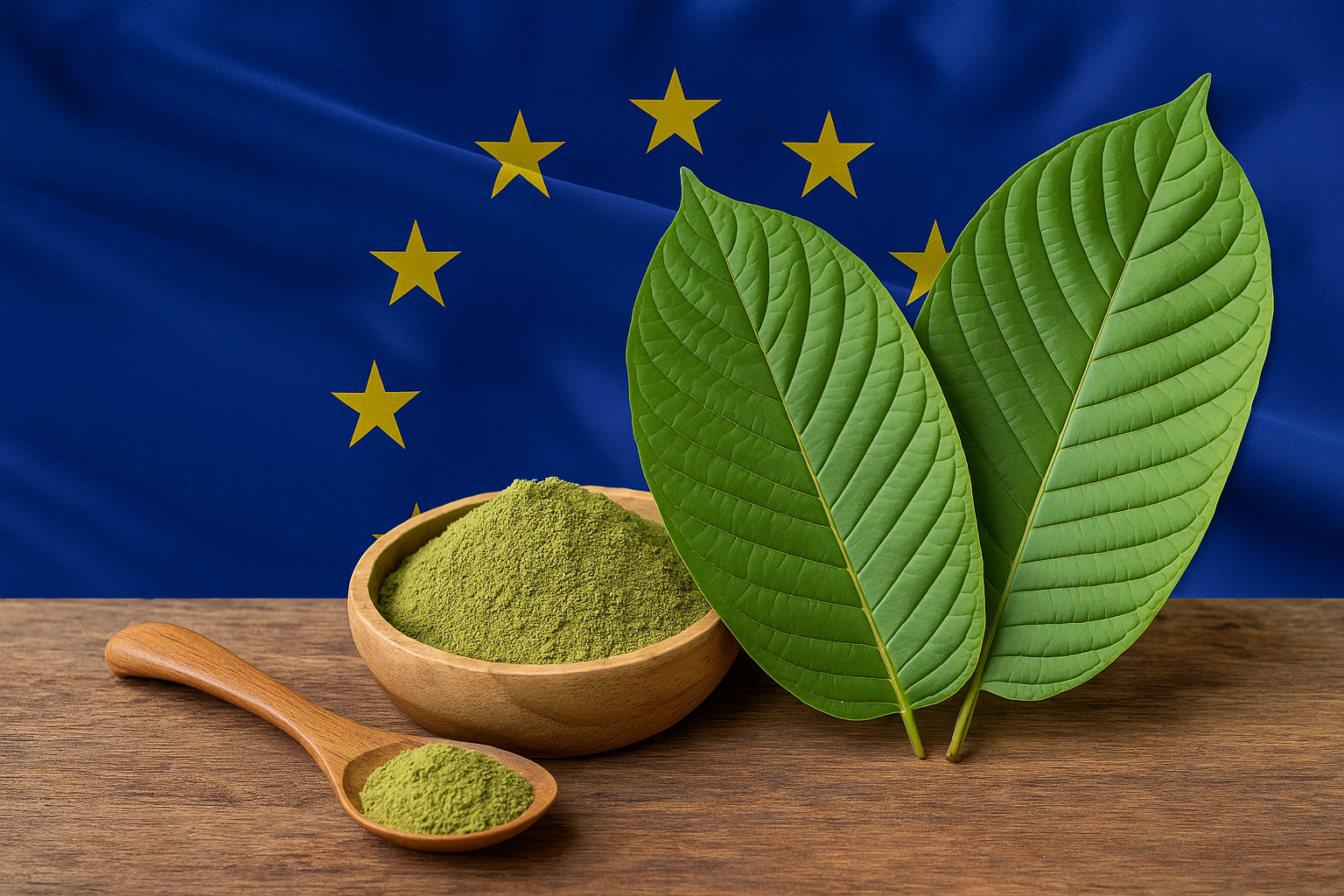
Opportunities and Challenges of Kratom Export to Europe: Is Indonesia Ready?
Indonesia has long been recognized as one of the largest and highest-quality producers of kratom (Mitragyna speciosa) in the world. With its ideal tropical climate and generations of experience among local farmers, Indonesia holds tremendous potential to expand its kratom exports to international markets—particularly Europe. However, alongside these opportunities, there are several challenges that must be addressed strategically.
Opportunities for Kratom Export to Europe
1. Rising Demand for Natural Products
European consumers are increasingly adopting health-conscious lifestyles and turning to plant-based alternatives. Kratom, known for its natural properties that promote focus, energy, and pain relief, is gaining popularity as a herbal supplement, especially in wellness and alternative health communities.
2. Indonesia’s Kratom Is Globally Respected
Kratom from Indonesia—especially regions like Kalimantan and Aceh—is known for its high alkaloid content and superior leaf quality. These characteristics give Indonesian kratom a competitive edge over products from other producing countries like Thailand or Vietnam.
3. Strong Local Farming Communities
Indonesia’s kratom industry is supported by thousands of skilled local farmers with vast land availability. This allows for sustainable, large-scale production to meet growing global demand without compromising quality.
Challenges That Must Be Overcome
1. Diverse and Strict Regulations
One of the major obstacles is navigating the regulatory landscape in Europe. Each country has its own stance on kratom—some permit it, others ban it outright, while many are still undecided. Exporters must ensure full compliance with local laws and stay updated with ongoing policy developments.
2. Need for International Certifications
The European market prioritizes safety, transparency, and quality. Exported kratom must include lab test results, organic certifications, and documentation proving ethical and sustainable sourcing. Without these, market entry is nearly impossible.
3. Weak Branding and Consumer Education
Many Indonesian kratom businesses have yet to establish strong global branding. A lack of consumer education in Europe also hampers trust and demand. Building compelling narratives around origin, purity, and ethical farming practices is key to long-term brand growth.
4. Logistics and Customs Challenges
Efficient logistics management—including packaging, storage, and customs clearance—is critical when exporting to Europe. Any delays or mismanagement in these areas can severely affect delivery timelines and buyer satisfaction.

Add comment