
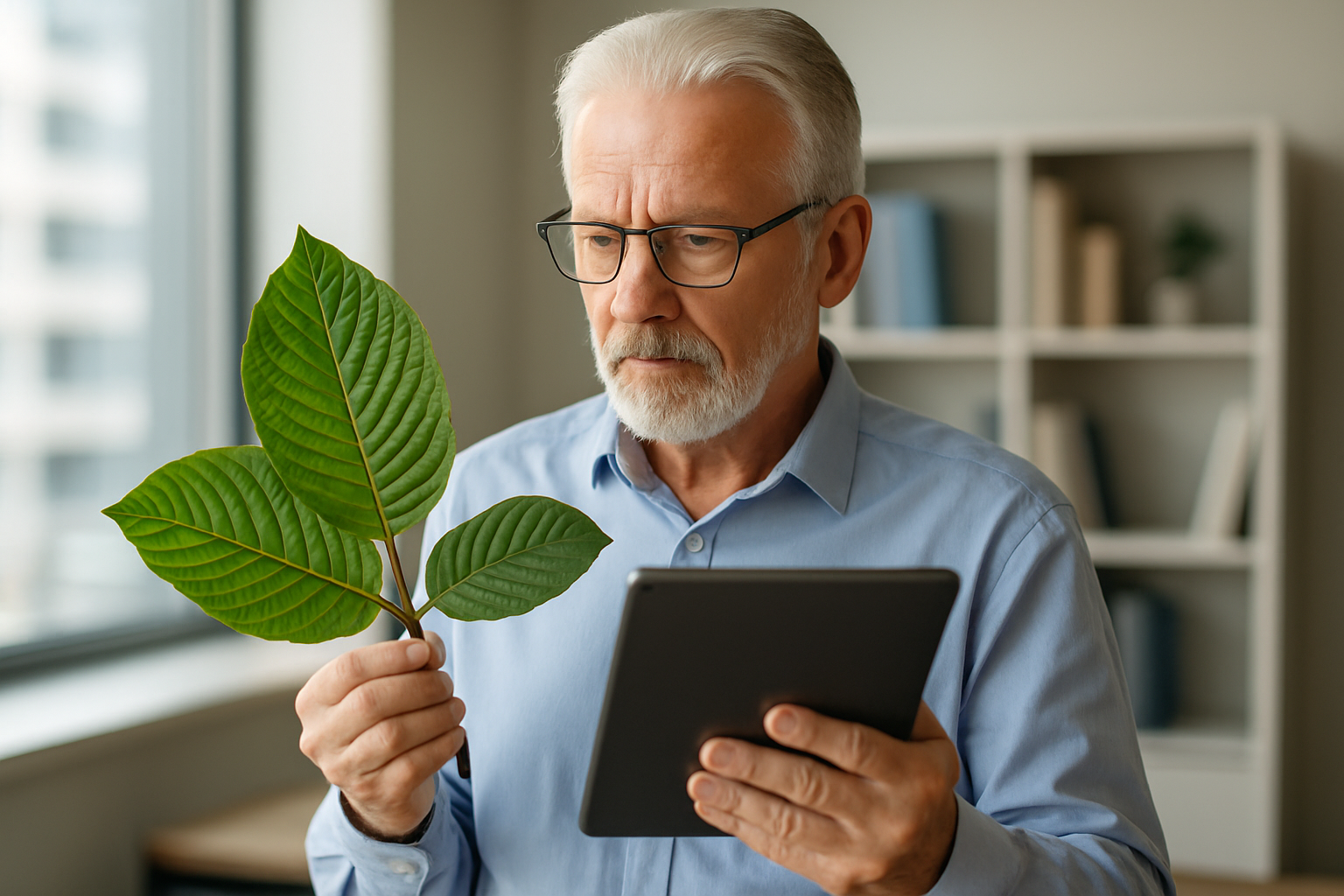
Educating International Consumers: Changing the Negative Perception of Kratom
Kratom (Mitragyna speciosa) is a tropical plant native to Southeast Asia that has been used for centuries by local communities to boost energy, relieve pain, and as part of cultural and traditional medicine practices. However, in many Western countries, kratom still faces a negative stigma often associated with substance abuse and a lack of understanding about its original uses and potential benefits.
The Origin of Kratom’s Negative Perception
Most of the negative perceptions surrounding kratom stem from a lack of public education and media coverage that focuses primarily on misuse cases, ignoring the cultural context and scientific evidence of its potential therapeutic properties. In some countries, kratom is banned or classified as a dangerous substance, despite research suggesting that its active compounds—mitragynine and 7-hydroxymitragynine—may offer benefits as pain relievers and as aids in opioid addiction therapy.
The Importance of Educating International Consumers
To change the prevailing negative narrative, a large-scale, science-based educational effort is essential. This educational campaign aims to:
- Raise awareness about kratom’s benefits – Provide accurate information about traditional uses and emerging scientific findings.
- Correct misconceptions – Explain the difference between responsible, traditional use and cases of misuse outside medical or cultural contexts.
- Encourage evidence-based regulation – Educate consumers and policymakers so regulations are shaped by scientific data rather than fear or political pressure.
Effective Strategies for Consumer Education
To reach international audiences effectively, a structured and inclusive educational strategy should be implemented, such as:
- Digital and social media campaigns
Utilize global platforms to distribute educational content—articles, videos, infographics—on kratom. - Collaborations with researchers and academics
Publish independent research findings in international journals and promote open academic discussions. - Testimonies from responsible users
Share real-life stories of individuals who have successfully used kratom to improve their well-being. - Involvement of local communities and kratom farmers
Highlight that kratom is a vital part of the cultural and economic life of its producing regions.
Moving Toward a More Balanced Global View
Kratom is not a miracle cure, but neither is it inherently dangerous when used responsibly. The global community must re-evaluate its approach to kratom through a scientific and culturally sensitive lens. Education is the key bridge to removing stigma and creating a fairer global market for kratom farmers and the consumers who truly benefit from it.

Add comment