
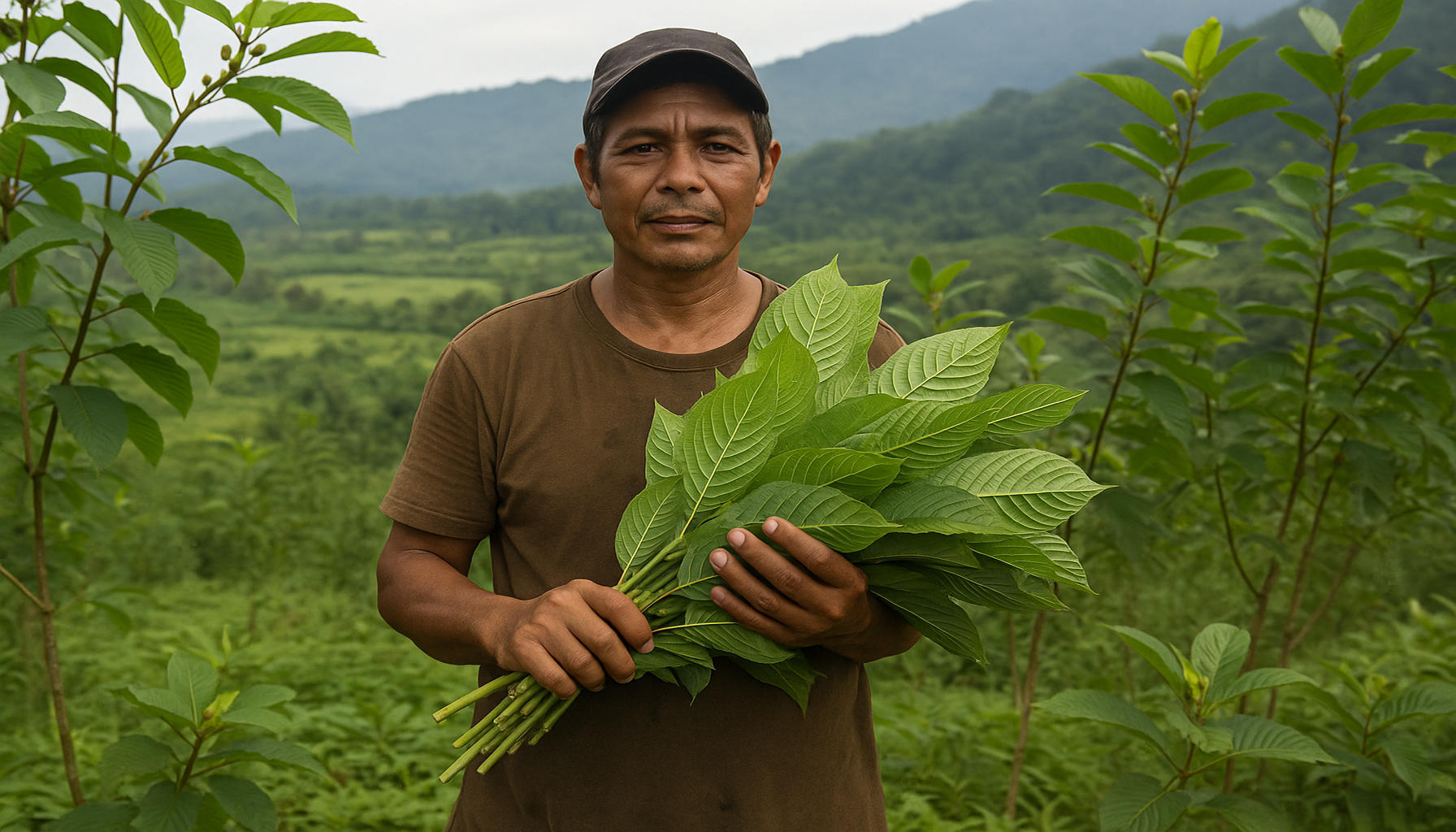
The Economic Potential of Kratom: An Alternative Solution for Farmers in Remote Areas
Amid fluctuating prices of conventional agricultural commodities such as rubber, palm oil, and coffee, farmers in remote areas of Indonesia are turning to a promising alternative crop: kratom. Scientifically known as Mitragyna speciosa, this plant has emerged as a new star in the non-oil export sector, particularly to the United States and several European countries.
Kratom: A Local Commodity with a Global Market
Kratom thrives in tropical regions with high rainfall and moist soil — ideal conditions commonly found in areas like Kalimantan and Sumatra. Although it has been the subject of controversy due to its usage in some countries, kratom holds significant economic value when managed legally and responsibly.
Over the past five years, global demand for Indonesian kratom has continued to grow. In the U.S., kratom is popularly used as a natural herbal supplement for pain relief, energy enhancement, and relaxation.
A New Source of Income for Farmers
For farmers in remote regions like Kapuas Hulu, West Kalimantan, kratom has become a primary source of livelihood. Many who previously relied on rubber or forest products are now cultivating kratom intensively. The selling price of dried kratom leaves is more stable and often more profitable compared to other traditional crops.
Some of the advantages of kratom cultivation include:
- High resistance to pests and diseases
- Minimal need for chemical fertilizers
- Multiple harvests per year
- High selling price for the export market
Reducing Urban Migration and Welfare Dependency
As income from kratom increases, many farming families can now afford to send their children to school, improve their homes, and even start small businesses. Kratom cultivation has also helped reduce urban migration, as rural youth no longer feel compelled to seek low-paying jobs in the city.
This illustrates that kratom is not just an economic commodity, but also carries significant social value in building economic self-reliance in rural communities.
Challenges and Future Prospects
Despite its great potential, the Indonesian kratom industry still faces several challenges:
- Lack of clear and supportive national regulations for sustainable export
- Limited access for farmers to training, technology, and quality certification
- Negative stigma in some export destination countries
Nevertheless, if the government, farmers, and entrepreneurs can collaborate to manage kratom responsibly, Indonesia has the opportunity to become the world’s leading kratom producer, while empowering local economies in the process.

Add comment